
Between books and flowers in Nablus Municipality Public Library
As I enter Al Manshiyya, the big garden surrounding the old building which houses the library of Nablus, I can imagine Umm Kulthum once walking on these same stones before stepping on to the scene and singing for hours without end. You see, a hundred years ago this house was actually a café, and Umm Kulthum, the Star of the East, came here to perform.
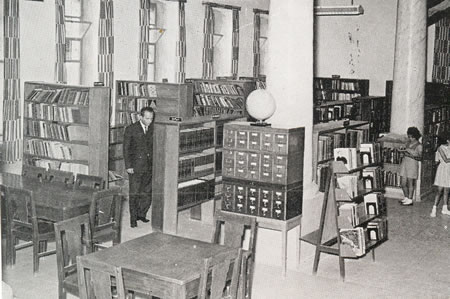
The library, the largest, and the oldest, in all of Palestine, opened in 1960, and King Hussein of Jordan were here with all his royal ensemble to cast his glow on the happening. I can imagine his servants, his government representatives and journalists crowding the place, walking among the newly constructed bookshelves, the walls still carrying the smell of fresh paint, the book covers never been opened and the chairs never been used. Like a new chapter about to begin.
As I enter Al Manshiyya, the big garden surrounding the old building which houses the library of Nablus, I can imagine Umm Kulthum once walking on these same stones before stepping on to the scene and singing for hours without end. You see, a hundred years ago this house was actually a café, and Umm Kulthum, the Star of the East, came here to perform.
The library, the largest, and the oldest, in all of Palestine, opened in 1960, and King Hussein of Jordan were here with all his royal ensemble to cast his glow on the happening. I can imagine his servants, his government representatives and journalists crowding the place, walking among the newly constructed bookshelves, the walls still carrying the smell of fresh paint, the book covers never been opened and the chairs never been used. Like a new chapter about to begin.
But the library of Nablus didn’t just get through a hundred years of celebrities, it also got through some tough times, and this has put a special mark on the library’s interior. All the Palestinians taken prisoner during the two Intifadas donated their books to the library, and today these books fill a whole room on the library’s third floor.
Their diaries are also part of the collection. Diaries they wrote in captivity, binded in materials they had at hand, like newspaper. Just ask the women working here and they will proudly guide you to seem them, their own unique part of history, open for everyone to have a look and to read through their thoughts and dreams on the faded pages.
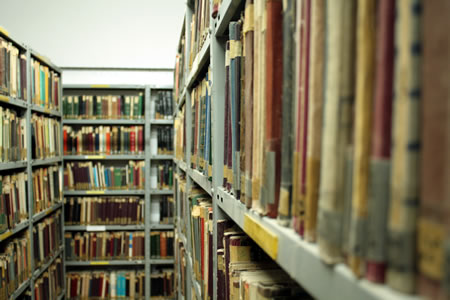
The rest of the library is filled with over 80.000 books in all the great languages. Most of its users are Palestinians, but some foreigners also come here occasionally. But if you are in search for political books about the situation in the area, you may find they are not in excess. Even though the situation has improved, it is still difficult to import these particular volumes. Usually they come to a halt by one of the checkpoints leading in to Nablus. And stay there.
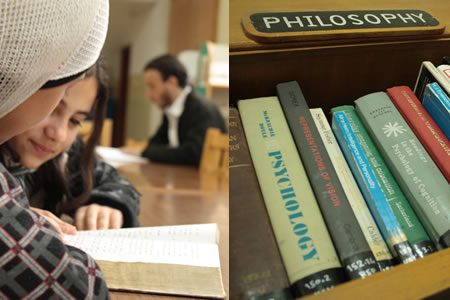
But, anyway, if you come to Nablus you should definitely visit the library and get a break from the busily sound of everyday. You should have a walk in the garden with its rare trees, watch the strange fruits, smell the millions of flowers in the spring, stride around between thousands of books, investigate the room with the prisoners diaries, take a deep breathe and enjoy the sovereign silence that rests heavily on the bookshelves. And then you’ll be ready to dive back in to Nablus.