
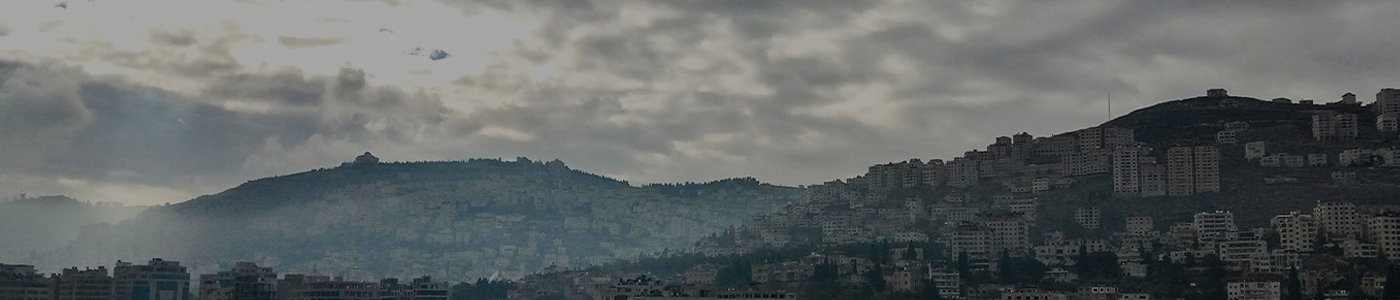

Camp No. 1: A Glimpse into the Nablus Refugee Camp
Located adjacent to the city of Nablus in the West Bank, Camp No. 1 is one of the oldest and most densely populated refugee camps in the area. Established in 1950, the camp was initially created to provide shelter for Palestinian refugees displaced during the 1948 conflict. Its original name, Ein Beit el-Ma’ or “Spring of the House of Water,” reflects the nearby spring that once provided a vital water source to the community.
Despite being one of the smallest camps in the West Bank, Camp No. 1 is home to a registered population of over 9,600 Palestine Refugees, according to UNRWA figures from 2023. This dense population, crammed into a very small area of just 0.045 square kilometers, creates a challenging environment characterized by overcrowding, limited living space, and a lack of recreational areas. These conditions have a significant impact on the mental and physical health of the residents, who have been living in what was intended to be a temporary settlement for more than seven decades.
The camp’s location on the main road between Nablus and Tulkarm makes it susceptible to frequent security challenges. Military incursions are not uncommon and have resulted in arrests and damage to property over the years, further contributing to the difficult living conditions and a sense of instability among residents.
The United Nations Relief and Works Agency (UNRWA) plays a crucial role in providing essential services to the camp’s residents. While UNRWA does not administer or police the camp—a responsibility that lies with the host authorities—it operates a number of key facilities. These services are vital to the well-being and human development of the community. In Camp No. 1, UNRWA provides education through two schools, one for boys and one for girls, serving hundreds of students. These schools, like others in the West Bank, follow the local curriculum and are the main providers of basic education for refugee children. Beyond education, UNRWA also offers primary health care, relief and social services, and support for improving the camp’s infrastructure. Community-based organizations within the camp are also very active and work in close partnership with UNRWA to address local needs.
The camp’s long history and the enduring struggles of its residents highlight the ongoing need for international support. Despite the immense challenges, the community maintains a strong civil society with numerous organizations working to improve the quality of life for its people.
Al-Ain Camp – Camp No (1) Link on Unrwa: https://www.unrwa.org/where-we-work/west-bank/camp-no-1-camp